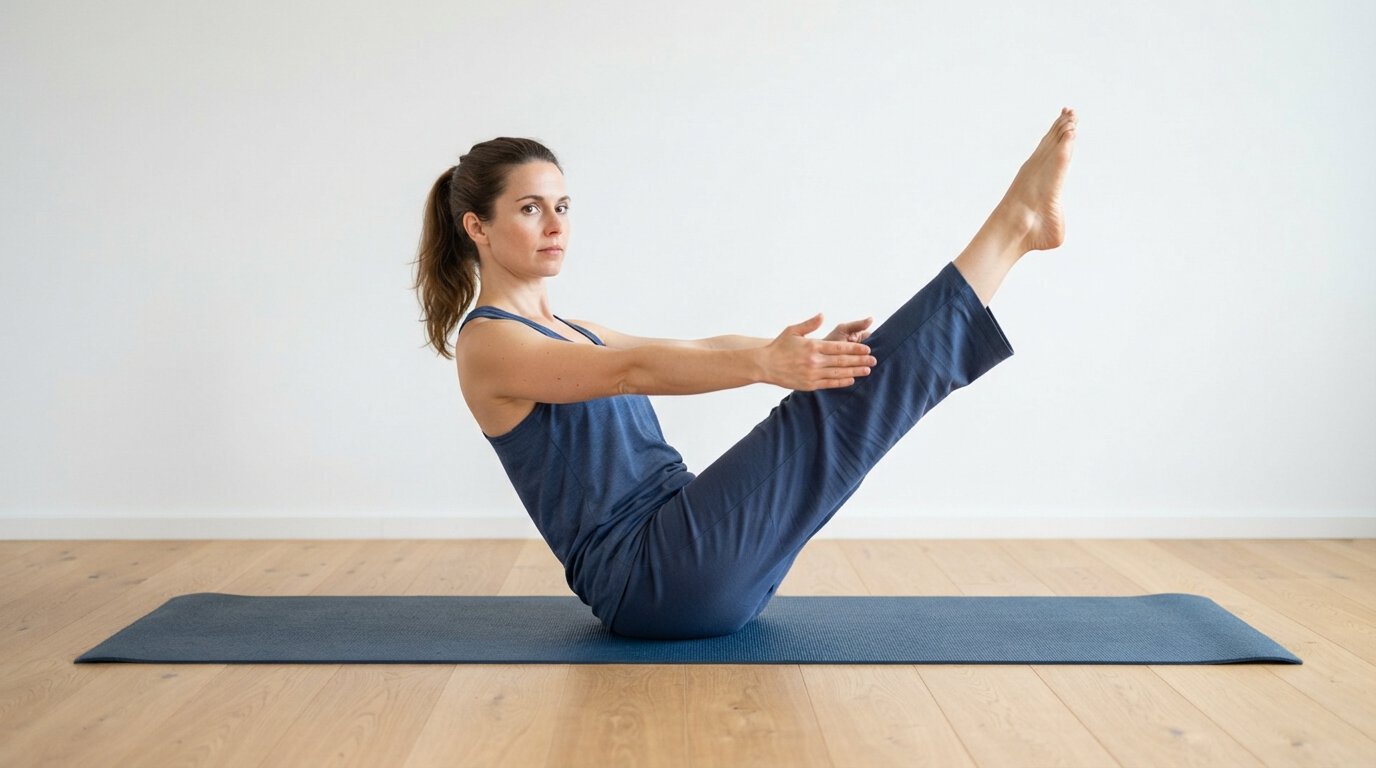
Older people often feel helpless, low in energy and resigned to approaching old age. Yet you can meet energetic, fit grandparents who are well over 70. Yoga for older adults helps them to train both body and mind. They follow an old piece of Eastern wisdom: “youth means flexibility of the body and of the mind.”
Today yoga practice helps many older people to regain strength and bring energy back into the body. It does not matter how old you are: you can start at any age.
What Is Different About Yoga After 50
If you decide to start yoga later in life, choose an experienced instructor carefully. The teacher must take into account the specifics of working with people who are well past 50.
At this age many people have joints and a spine that have lost some mobility, as well as heart and vascular conditions or high blood pressure. Some yoga poses do not go well with varicose veins, serious chronic illnesses or high blood pressure.
The key feature of yoga for older adults is a careful selection of exercises. The emphasis is on breathing exercises, which help to supply the tissues with oxygen, and on relaxation, which brings calm and balance.
Group classes and the company of peers help older people stay positive and prepare for a new stage of life.
Benefits of Yoga After 50

Older people who practice yoga strengthen their health, build endurance and gradually learn to manage their emotions and their body again.
At this age most people already have some chronic conditions, which can create a negative attitude toward the aging body. But age is not a sentence. When yoga poses are chosen well, practice can support both body and mind.
What yoga can offer after 50:
- may ease joint stiffness and discomfort;
- helps to restore posture and flexibility;
- supports circulation;
- encourages deep breathing, which brings oxygen to the body;
- may support healthy blood pressure, together with medical care;
- improves balance, which helps to prevent falls;
- lifts the mood and the sense of well-being.
Yoga can bring back elasticity to the muscles and mobility to the joints, and it can lift the spirits and clear the mind of gloomy thoughts about old age.
Poses must be chosen with age-related changes in mind. Some exercises are not recommended after 50.
Contraindications and Precautions
Yoga for people in their 50s and 60s and beyond can help to restore energy, strengthen the body and improve health. But serious health problems that are common at this age need attention. One of them is fragile bones, known as osteoporosis.
Be careful if you have back problems, especially a herniated disc or degenerative changes in the spine. Poorly chosen exercises can pinch a nerve or cause a spike in blood pressure.
Other conditions that may be contraindications. Ask your doctor first if you have:
- cardiovascular disease;
- blood pressure problems;
- varicose veins;
- injuries of the musculoskeletal system;
- some disorders of the nervous system;
- a blood-clotting disorder or you take blood thinners;
- knee problems;
- some chronic illnesses.
At an older age, avoid:
- headstand;
- shoulder stand;
- strong, deep twists;
- putting load on the knee joints.
An experienced instructor should take into account the age-related changes that start in everyone’s body after 50.
Poses to Consider

Exercises for older adults should be chosen individually. Here are some examples of poses that are often recommended for people aged 50–60:
- Tadasana (Mountain Pose) teaches you to stand steadily, physically and mentally;
- Savasana (Corpse Pose) helps to focus the attention on the breath;
- Vrikshasana (Tree Pose) brings physical and mental balance. Practice it next to a wall or a chair;
- Utthita Trikonasana (Triangle Pose) develops flexibility, energy and endurance. Use a block under the lower hand;
- Paschimottanasana (Seated Forward Bend) releases tension and stretches the hips, buttocks and back. Bend the knees and sit on a folded blanket, and keep the back long, especially if you have osteoporosis.
These are only some of the exercises that help to keep a good sense of well-being and to strengthen the body. Remember that exercises for people who have only just started yoga should be chosen by an experienced, qualified instructor. Chair yoga is a good way to start if standing or getting down to the floor is difficult.
Video

The video comes from an open source on the YouTube channel of Artur Patalakh.